Padel Court Shoes UK 2026: Clay vs Hard Court vs Padel
Padel court shoes: why herringbone soles win on sandy turf, why clay-court tennis shoes work but hard-court don't, and when to buy padel-specific.
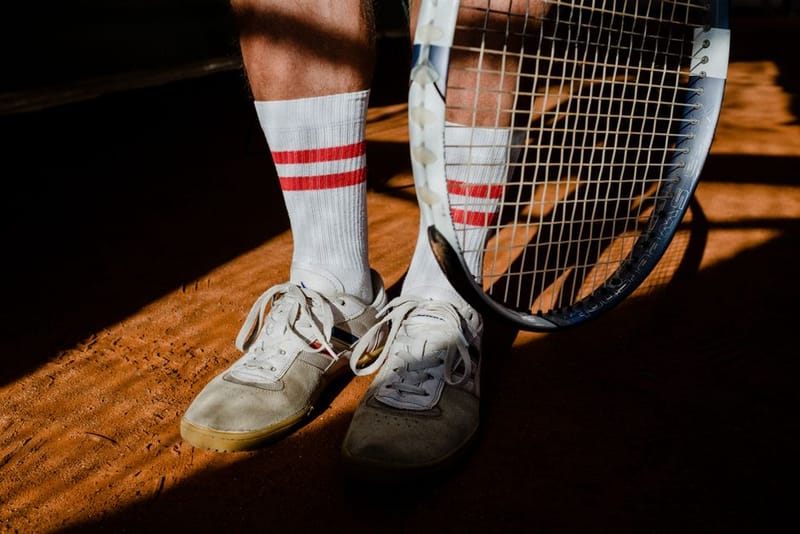
Footwear is the quietly important padel decision. The sport's fast, sliding direction changes on artificial turf put specific demands on a sole, and the wrong shoe is both slower and riskier underfoot. This guide explains how padel surfaces work, why the clay-versus-hard-court question matters, and when a dedicated padel shoe is worth it.
What surface is padel actually played on?
Almost all padel is played on artificial turf, traditionally dressed with sand infill that sits between the fibres. That sand is the key detail: it can act like ball bearings under a smooth sole, so your shoe needs a tread that cuts through it to grab the turf underneath. Newer courts are increasingly built with very little or no sand, which changes the calculation slightly, but a sand-channelling sole remains the safe default for UK courts, indoor and outdoor.
This is why you cannot just bring any trainer. A running shoe or a smooth-soled court shoe will slide unpredictably on a sanded court.
Why does the herringbone sole matter?
The herringbone, or fishbone, pattern is a zigzag of oblique grooves that channel sand evenly through the contact patch with each step, so the tread keeps biting fresh turf rather than packing down on loose sand. It is the same principle clay-court tennis shoes use, which is why clay shoes have long been a workable padel option. A good padel sole takes this further, combining herringbone with small lugs and grooves to give you grip when planted and a controlled slide when you change direction.
Clay-court vs hard-court tennis shoes for padel
If you are deciding between tennis shoes you already own, the answer is clear. Clay-court tennis shoes have the herringbone tread that suits sandy padel turf, so they grip reasonably well, even if not perfectly. Hard-court tennis shoes have a smoother, more durable sole designed for grippy hard surfaces, and they simply do not have enough bite on a sanded padel court. Use clay-court tennis shoes if you must; do not use hard-court ones.
One caveat: as more courts move to low-sand or no-sand surfaces, the advantage of clay tennis shoes shrinks, and their softer outsoles wear faster on these courts. That is where a padel-specific shoe pulls ahead.
When should you buy padel-specific shoes?
If you play regularly, buy padel shoes. They are built for the exact movement pattern of the sport, pairing the sand-channelling herringbone with reinforced lateral support for the sharp side-to-side play padel demands, plus durability suited to modern court surfaces. Most major brands, including Asics, Adidas, Bullpadel, Head and Babolat, make dedicated padel models across price points.
If you are a true beginner playing occasionally, clay-court tennis shoes or even well-gripping trainers will get you started, but the moment padel becomes a habit, proper shoes pay off in grip, support and injury prevention. Pair them with the right racket - see our best padel rackets and how to choose a racket guides.
Padel shoe sole types - at a glance
- Padel-specific (best)
- Herringbone plus lugs and grooves; grip at standstill and controlled sliding; built for lateral play
- Clay-court tennis (workable)
- Herringbone tread grips sandy turf reasonably; softer outsole wears faster on low-sand courts
- Hard-court tennis (avoid)
- Too smooth for sand; not enough grip on padel turf
- Running shoes (avoid)
- No lateral support and wrong tread; slip risk on turf
- Brands making padel shoes
- Asics, Adidas, Bullpadel, Head, Babolat
How do you make padel shoes last?
Keep them for padel only. Wearing court shoes on pavement or in the gym rounds off the herringbone edges that do the gripping, so they lose performance faster. Knock the sand out after a session, let them dry away from direct heat, and watch the outsole edges: once the tread is visibly worn smooth, grip drops off and it is time to replace them. Treating shoes as a wear item, like overgrips, is normal for regular players.
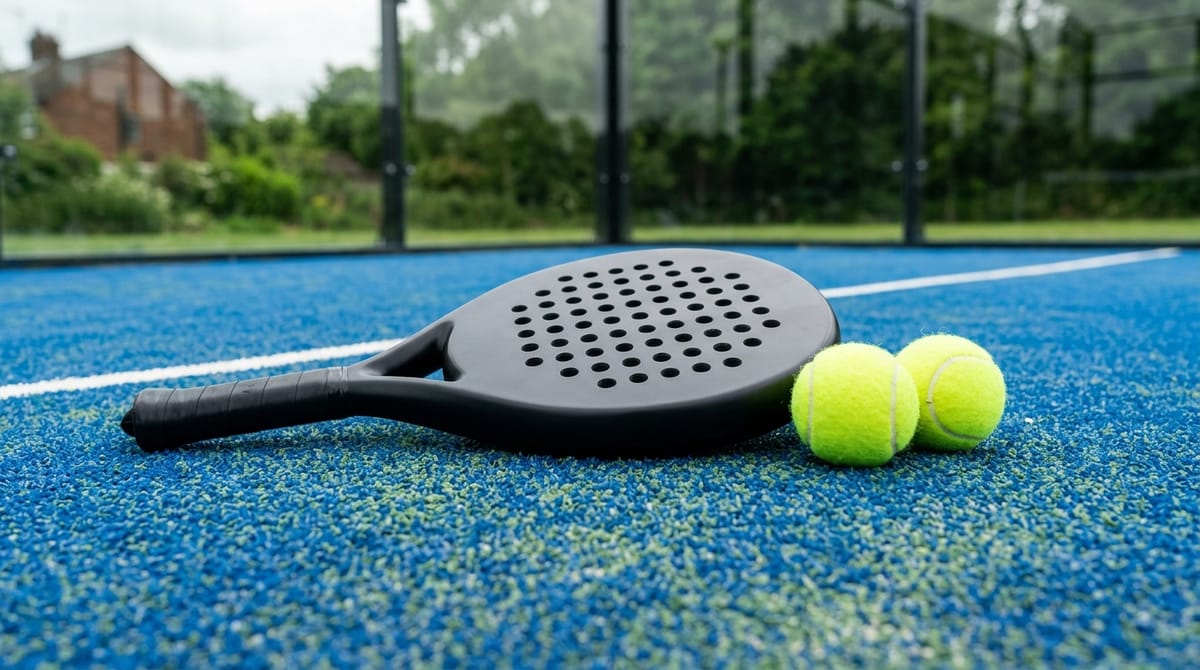
Best Padel Rackets UK 2026
How to Choose a Padel Racket
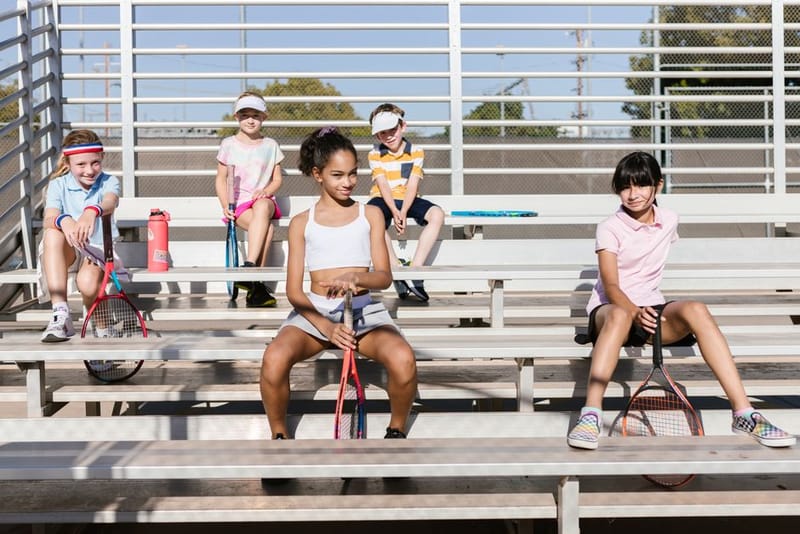
Padel for Beginners
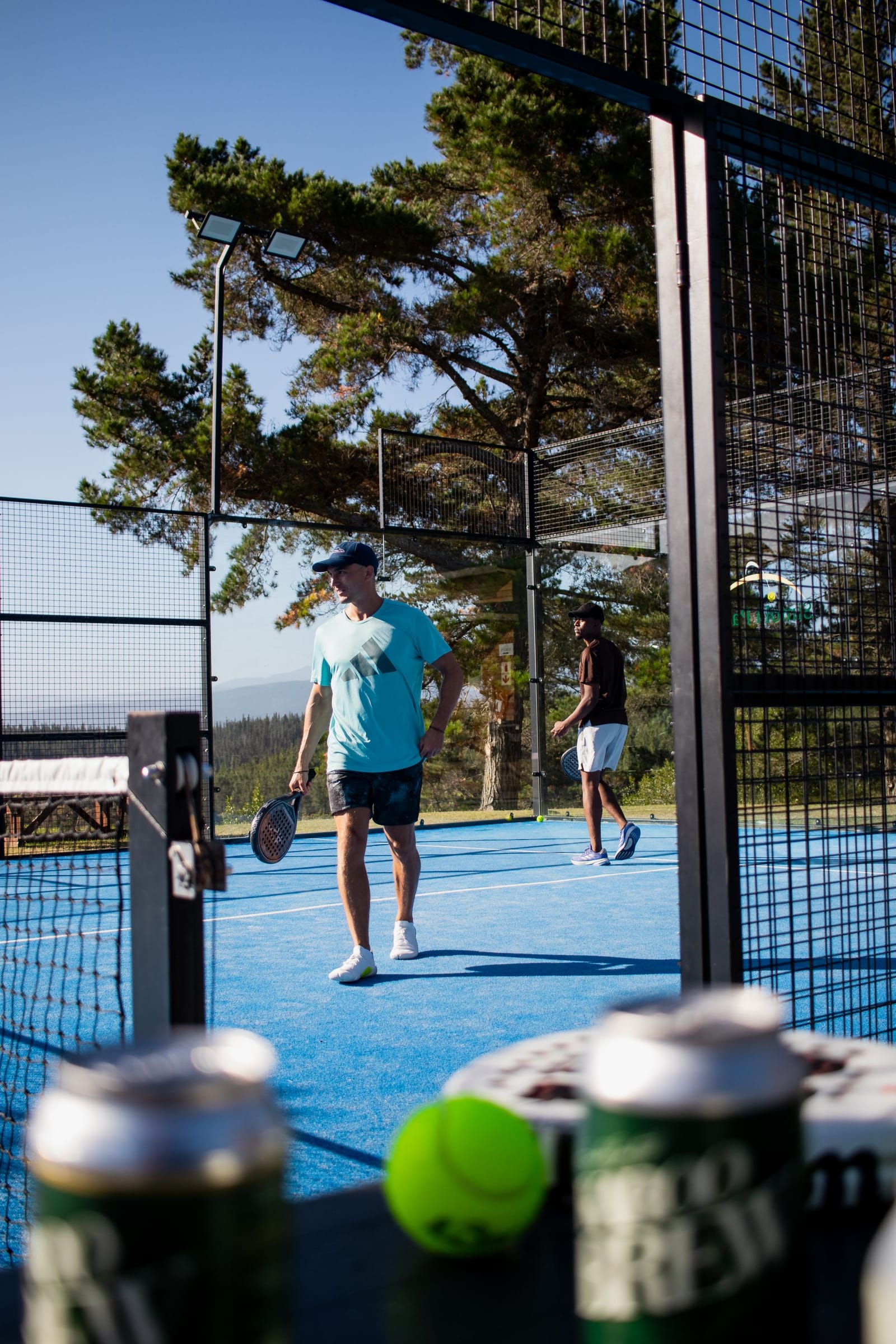
Where to Play Padel UK
Can you wear tennis shoes for padel?
What sole is best for padel?
Are clay-court or hard-court shoes better for padel?
Do I need padel-specific shoes as a beginner?
Kitting out for padel?
Get the racket right too - it matters more than any other piece of gear.