Padel Elbow: Causes, Treatment and Prevention (UK)
Padel elbow (tennis elbow) explained: what causes it, the symptoms, how it's treated, and how to prevent it with grip size, racket choice and technique.
If the outside of your elbow aches after padel, you are far from alone - so-called padel elbow is the sport's most common overuse injury. The good news is that it is usually preventable and treatable, and a lot of it comes down to your equipment and technique. Here is what causes it, how to spot it, and what to do about it.
What is padel elbow?
Padel elbow is the everyday name for lateral epicondylitis, the same condition as tennis elbow. It is an overuse injury of the tendons that attach your forearm muscles to the bony bump on the outside of the elbow (the lateral epicondyle). Repeated stress causes tiny tears and inflammation in those tendons, which is what produces the pain.
It is the most frequently reported injury in padel because the game involves so many repeated forehands, backhands and wrist actions. It is not usually serious, but it can be stubborn - left unmanaged it can nag for months - so it pays to understand and address it early.
What causes padel elbow?
It is an overuse injury, so the root cause is repeated load on the forearm tendons - but several things make that load worse:
- Equipment. A racket that is too heavy, too stiff, or strung/built to transmit a lot of vibration sends more impact into your arm. The wrong grip size - usually too small - makes you squeeze harder and strains the tendons further.
- Technique. Flawed stroke mechanics, hitting late, or muscling the ball with the wrist and forearm instead of the body loads the elbow. A coach can spot this quickly.
- Doing too much, too soon. Going from rarely playing to several sessions a week gives the tendons no time to adapt. Tendons need gradual progression.
- Skipping the warm-up. Cold, unprepared muscles and tendons are more easily strained.
What are the symptoms?
The classic signs are:
- Pain or burning on the outside of the elbow and forearm, often radiating down toward the wrist.
- Weakness and stiffness in the arm, especially when gripping - you may notice it lifting a kettle, shaking hands, or holding the racket.
- Pain that worsens with activity (playing, gripping, twisting) and eases with rest, at least early on.
It usually builds gradually rather than appearing suddenly. If you also have numbness, tingling, or pain that came on with a specific injury, that points to something else and is worth getting checked.
How is padel elbow treated?
Most cases settle with conservative, self-managed care, but always seek professional advice if it is severe or persistent. Common approaches include:
- Relative rest - reduce or modify the activity that triggers it rather than playing through the pain.
- Ice - applying cold to the area can help settle the early flare-up.
- Pain relief - over-the-counter anti-inflammatories may help short-term; follow the packaging and pharmacist advice.
- Physiotherapy - the mainstay for recovery. A physio prescribes progressive forearm strengthening and stretching that builds the tendon's tolerance; this is what resolves most stubborn cases.
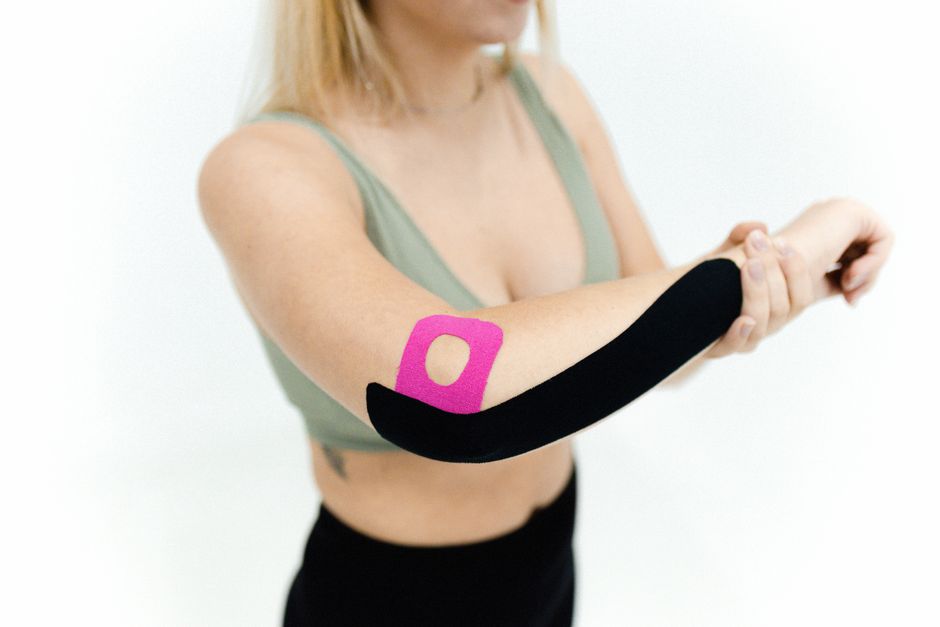
- An epicondylitis strap or brace - a forearm band can offload the tendon during play once you return.
- Medical input - for cases that do not improve, a GP or specialist may discuss further options. That decision is theirs to guide, not something to self-prescribe.
How can you prevent padel elbow?
Prevention is mostly about reducing avoidable load - and this is where padel players have a lot of control:
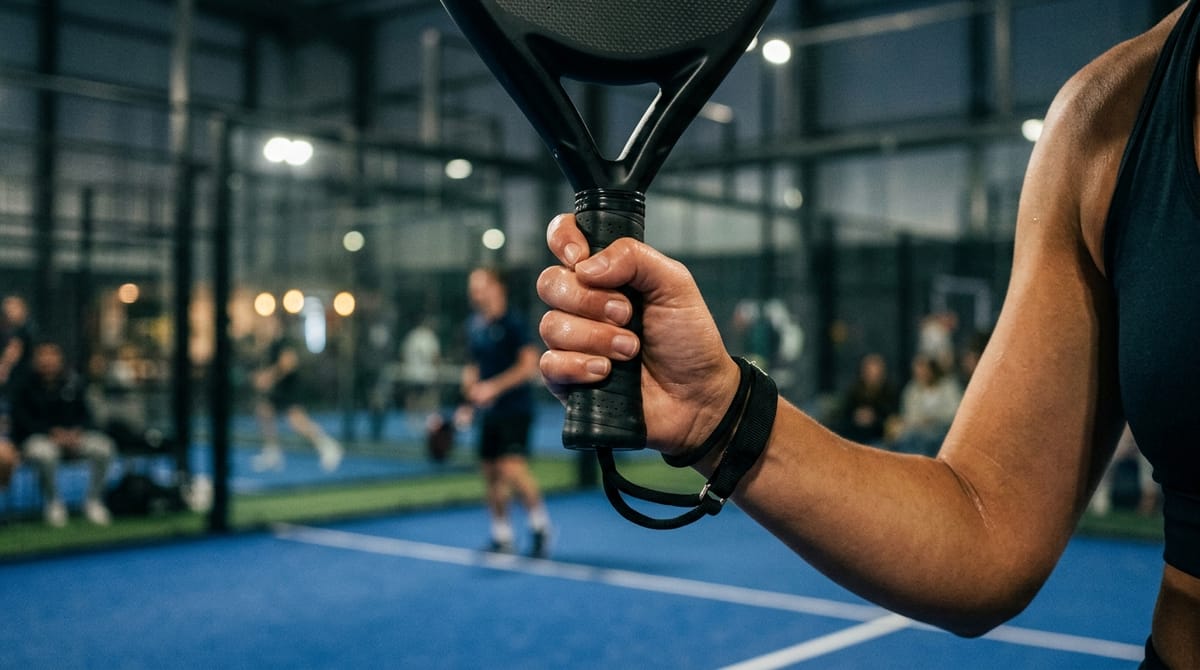
- Get your grip size right. A grip that is too small makes you over-grip. See our grip size guide, and consider a slightly thicker overgrip.
- Choose a forgiving racket. If you are prone to elbow pain, lean toward a lighter, softer racket with more vibration dampening rather than a stiff, heavy, powerful one. Our racket-choosing guide explains the trade-offs.
- Warm up properly. A few minutes of mobility and gradual hitting before you go full pace - see our warm-up routine.
- Strengthen your forearms. Building tendon tolerance with simple forearm and wrist exercises is one of the best long-term defences; our injury prevention guide covers more.
- Progress gradually. Ramp up your playing volume over weeks, not days, so the tendons can adapt.
Frequently asked questions
Is padel elbow the same as tennis elbow?
How long does padel elbow take to heal?
Can the right racket prevent padel elbow?
Should I keep playing padel with elbow pain?
When should I see a doctor about padel elbow?
Padel Grip Size Guide
Padel Injury Prevention
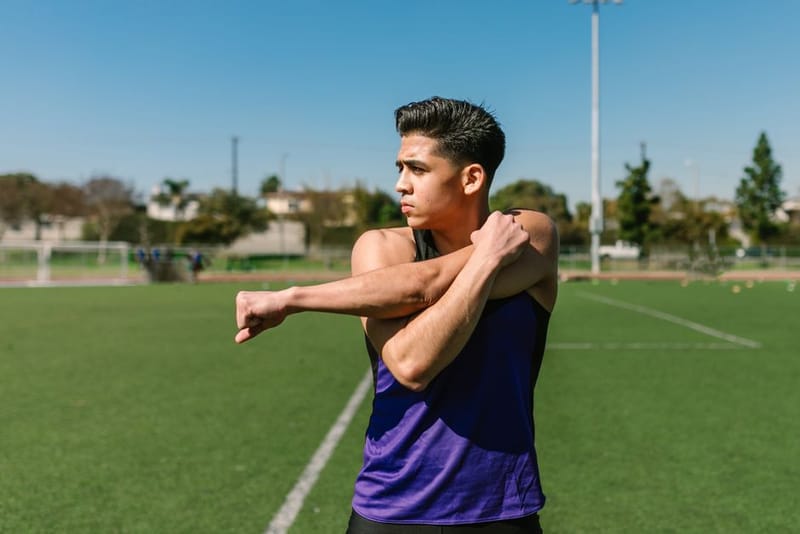
Padel Warm-up Routine