Padel Shot Selection: Which Shot to Play and When
Padel shot selection made simple: when to lob, drive, dink, bandeja or smash - a decision framework based on court position and ball height.
Most padel points aren't lost to bad technique - they're lost to bad decisions. Choosing the wrong shot for the situation hands opponents easy points. The good news is that good padel shot selection follows simple, learnable patterns. This guide gives you a decision framework based on the two things that matter most: your court position and the height of the ball.
The two questions that drive every shot
Before you worry about which specific shot to hit, frame every ball around two reads:
- Where am I? At the net (attacking) or at the back of the court (defending)? Padel is a game of winning and holding the net, so your position dictates whether you're trying to attack or to recover the net.
- How high is the ball? A high ball lets you attack; a low ball forces you to control and wait. Trying to attack a low ball is the single most common shot-selection error.
Answer those two and the right shot is usually obvious. Here's how they combine.
What should you play when defending at the back?
If you're stuck at the back of the court, your priority is to neutralise the point and get to the net, not to hit a winner from a losing position:
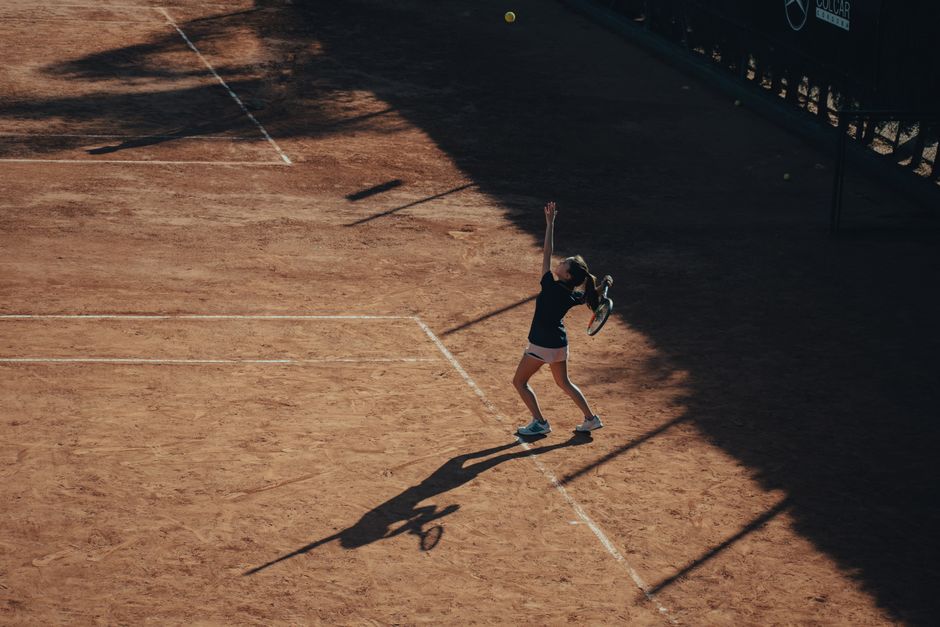
- High ball, under pressure → lob. A deep lob over the net pair pushes them back, buys you time, and is your ticket forward. This is the most valuable defensive shot in padel.
- Comfortable ball → controlled drive or a lob. If you have time, a flat drive can probe for a weak reply, but the lob is usually the safer route to the net.
- Ball off the back glass → play it after the bounce and look to lob or reset. Master your back-glass play so these don't panic you.
The mistake to avoid: trying to blast a winner from the back. You'll miss or set up an easy put-away.
What should you play when attacking at the net?
At the net you're in control - the job is to keep the pressure on and not give the net back:
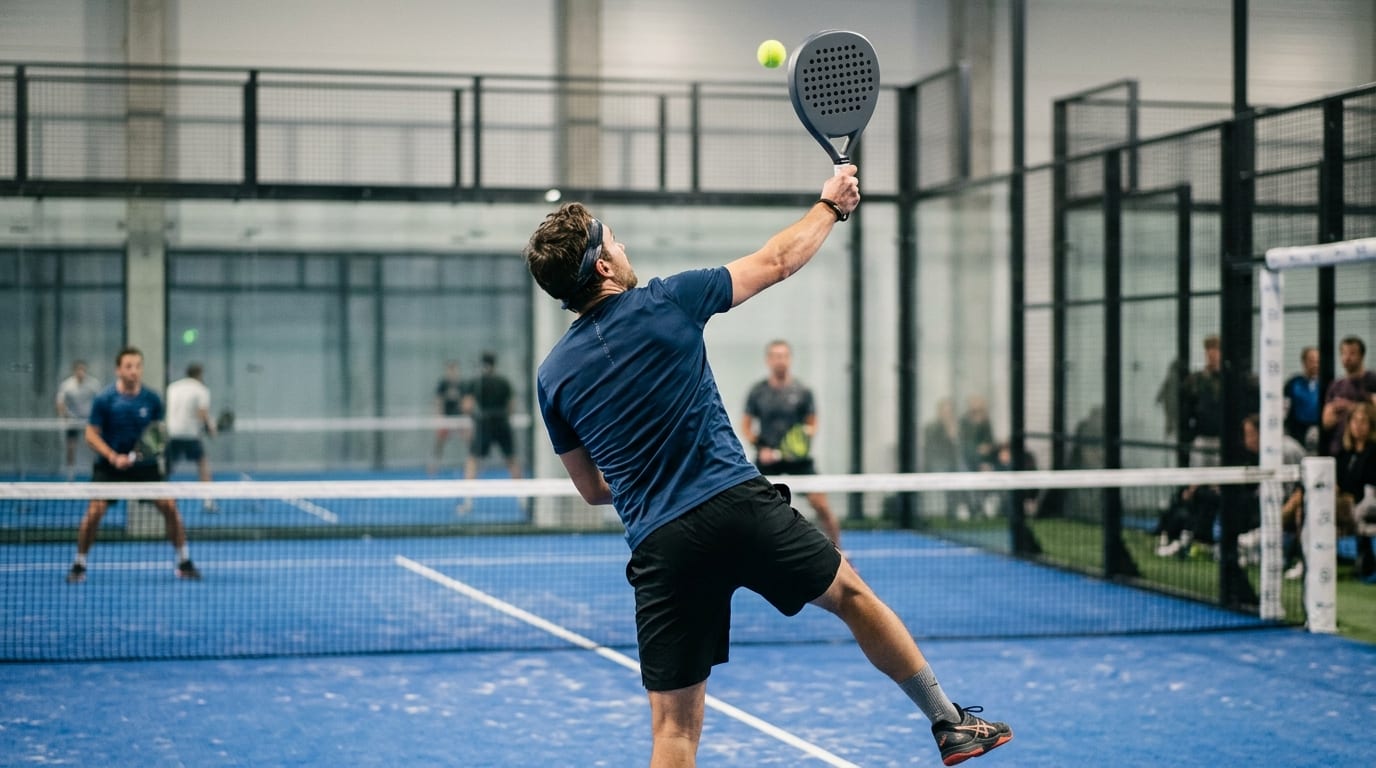
- High ball → bandeja or smash. A bandeja is the controlled overhead that keeps you at the net; reserve the full smash for genuinely easy, high balls you can finish.
- Low ball → dink and wait. Don't force it. A soft, controlled drop into the net keeps the rally going until a higher ball arrives.
- Wide, low ball → vibora or a controlled volley. The vibora adds bite and angle when you can't fully attack.
The discipline of waiting for the right ball - rather than over-hitting the first one - is what separates strong net players.
A simple shot-selection cheat sheet
When you're learning, default to these and you'll rarely be far wrong:
- At the back + under pressure → lob.
- At the back + comfortable → lob or controlled drive.
- At the net + high ball → bandeja (or smash if it's easy).
- At the net + low ball → dink and wait.
- In doubt → lob. It's the highest-percentage shot in the game for improvers.
As you progress, you'll layer in disguise, angles and the vibora, but this framework wins the vast majority of club-level points. Pair it with solid court positioning and you'll climb levels fast.
Frequently asked questions
Q01What's the most important shot in padel?
Q02When should you smash in padel?
Q03What do you do with a low ball at the net in padel?
Q04How do I know whether to lob or drive in padel?
Q05What is the bandeja used for?
Padel Lob Shot Technique
Padel Bandeja Shot
Padel Court Positioning Fundamentals