Padel Racket Core (EVA) Explained: Soft vs Hard
Padel racket core foam explained: how soft vs hard EVA changes power, control, comfort and feel - and which core density suits your level and your arm.
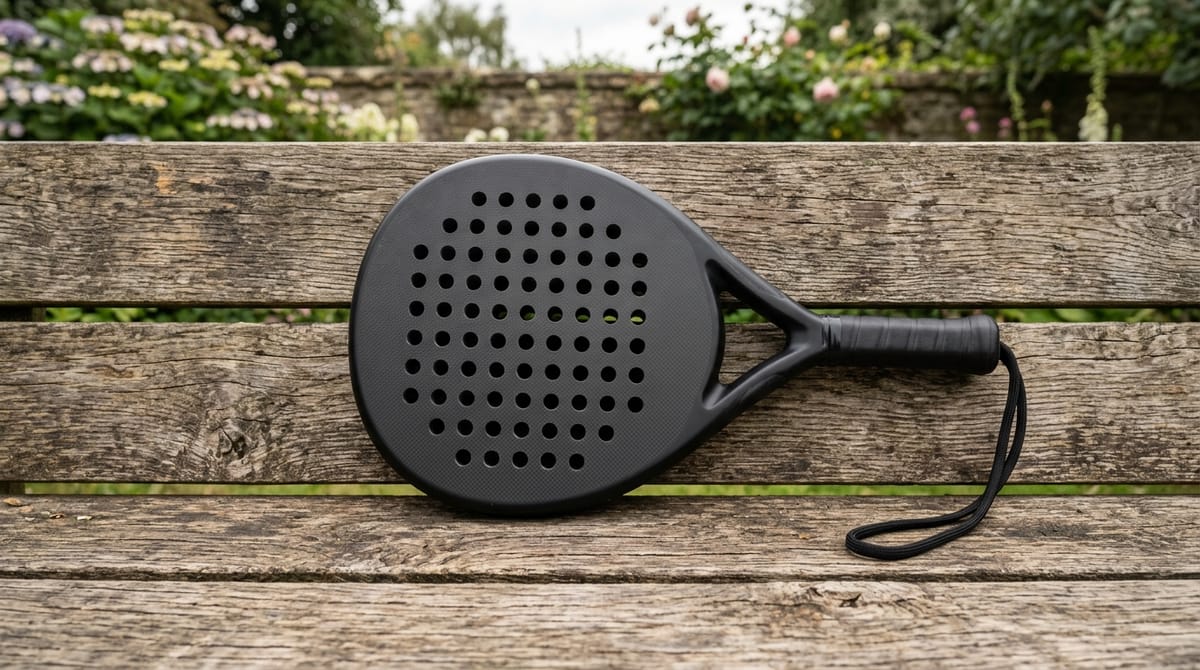
A padel racket's face material gets the attention, but the core inside it does just as much to define how it feels. Almost every racket uses an EVA foam core, and how soft or hard that foam is changes everything from power to comfort. Here is what core density actually does and how to match it to your game.
What is an EVA core?
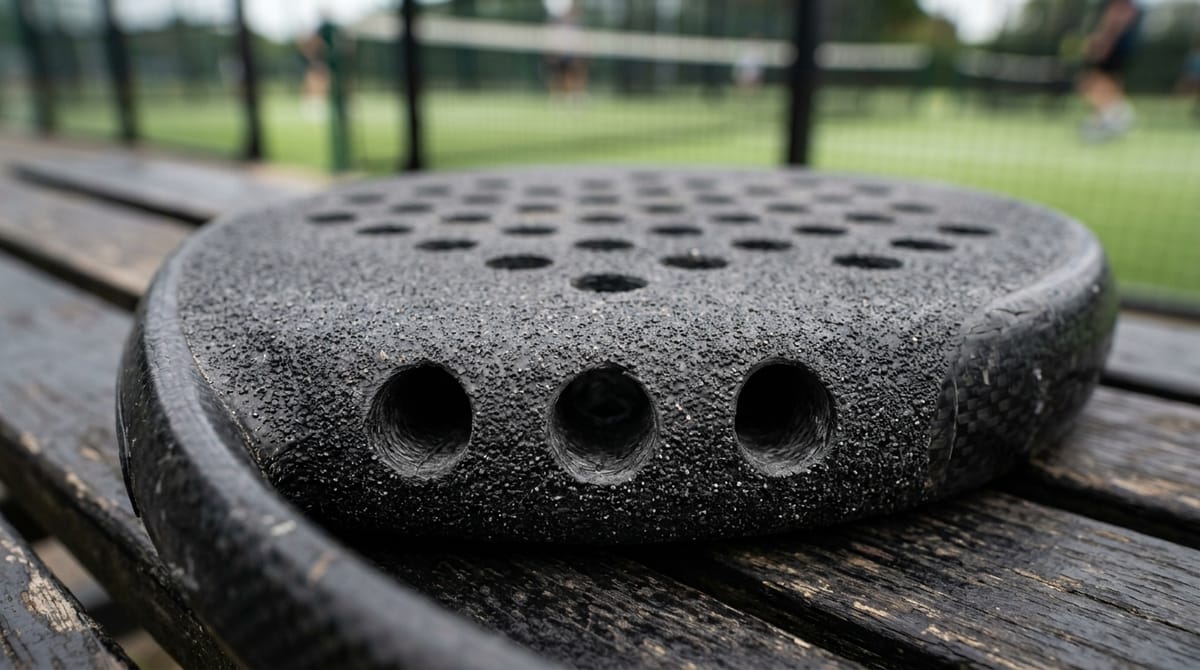
EVA stands for ethylene-vinyl acetate, a closed-cell foam used as the rubber core sandwiched inside a padel racket between the two faces. It is what the ball actually compresses against on contact, so its firmness - its density - largely determines the racket's feel, power delivery and comfort. The other common core material is FOAM (a softer polyethylene-style foam), but EVA in varying densities is the standard, and 'soft EVA' versus 'hard EVA' is the choice you'll see most often.
Soft EVA vs hard EVA: what's the difference?
It comes down to how much the core gives on impact:
- Soft EVA compresses more, gripping the ball slightly longer. That gives a comfortable, cushioned feel, easier ball output at slower swing speeds, more forgiveness on off-centre hits, and less shock to the arm. The trade-offs are a little less raw power on full-blooded shots and, generally, slightly less durability.
- Hard EVA compresses less, returning energy faster. That delivers more power and a crisper, more precise response - but only if you supply the racket-head speed yourself. It also tends to last longer. The downsides are a firmer, harsher feel and more vibration into the arm.
It mirrors the face-material trade-off: softer equals comfort and easy output, harder equals power and precision for stronger players. (See our carbon vs fibreglass guide for the face side of the same coin.)
Does temperature affect the core?
Yes, noticeably. EVA stiffens in the cold and softens in the heat, so the same racket plays harder on a chilly winter morning and softer on a hot day. On a cold UK court a hard-core racket can feel unforgivingly stiff and is more prone to cracking on a mishit, which is one reason softer or medium cores are a sensible default for year-round British play. Letting a racket warm up before you hit flat out in winter is a small habit worth keeping.
Which core density should you choose?
Match the core to your level and your arm:
- Beginner or improver - soft to medium EVA. Easier power, more forgiveness and more comfort while you build technique.
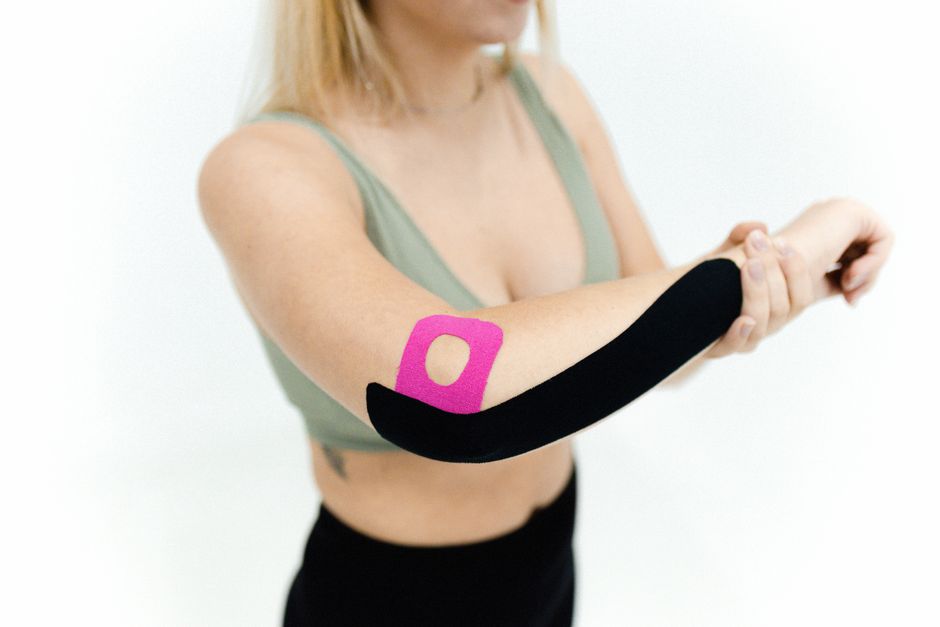
- Prone to elbow or arm pain - soft EVA, for the cushioning and reduced vibration. Combined with a softer face and the right grip, it meaningfully lowers the load on your arm (see our padel elbow guide).
- Advanced player who generates power - medium to hard EVA, for the extra power, precision and durability.
- Year-round outdoor player in the UK - lean softer/medium, since cold weather already firms the core up.
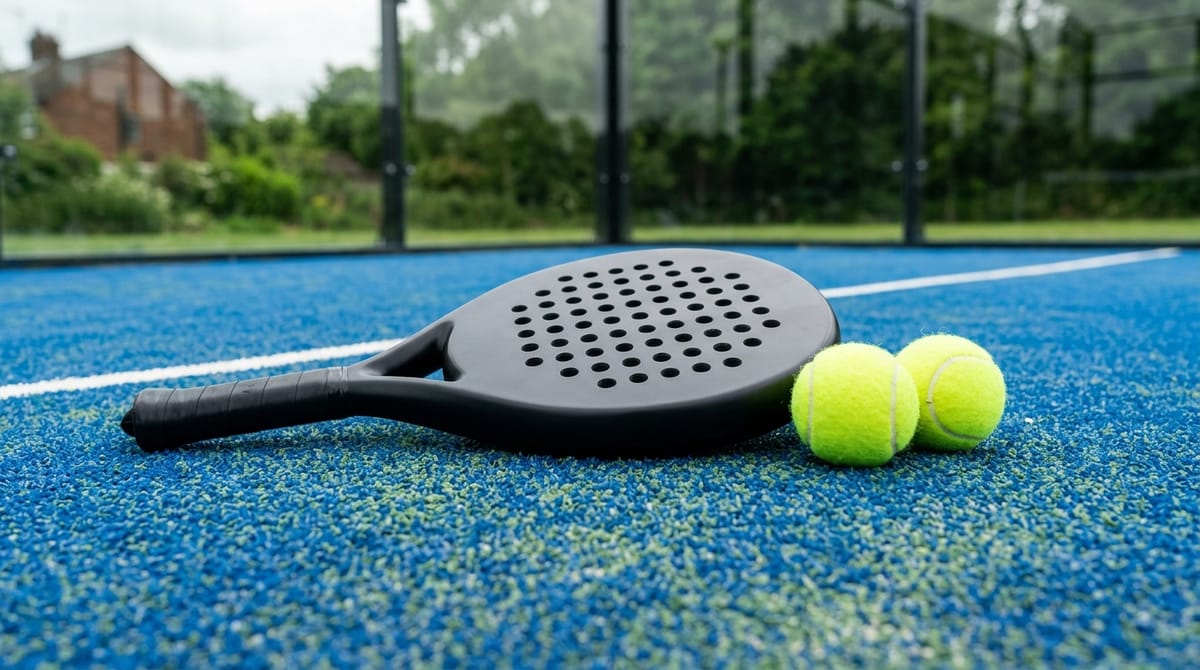
Core density is one piece of the puzzle alongside face material, shape and weight - put it together with our how to choose a padel racket guide.
Frequently asked questions
What is the core of a padel racket made of?
Is a soft or hard padel racket core better for beginners?
Does a hard core give more power?
Why does my padel racket feel different in cold weather?
What's the difference between the core and the face of a padel racket?
Carbon vs Fibreglass Rackets
How to Choose a Padel Racket
Diamond vs Round vs Teardrop